IOT SOLUTIONS
Patrick Leyseele
Patrick Leyseele - Why is IoT so important?

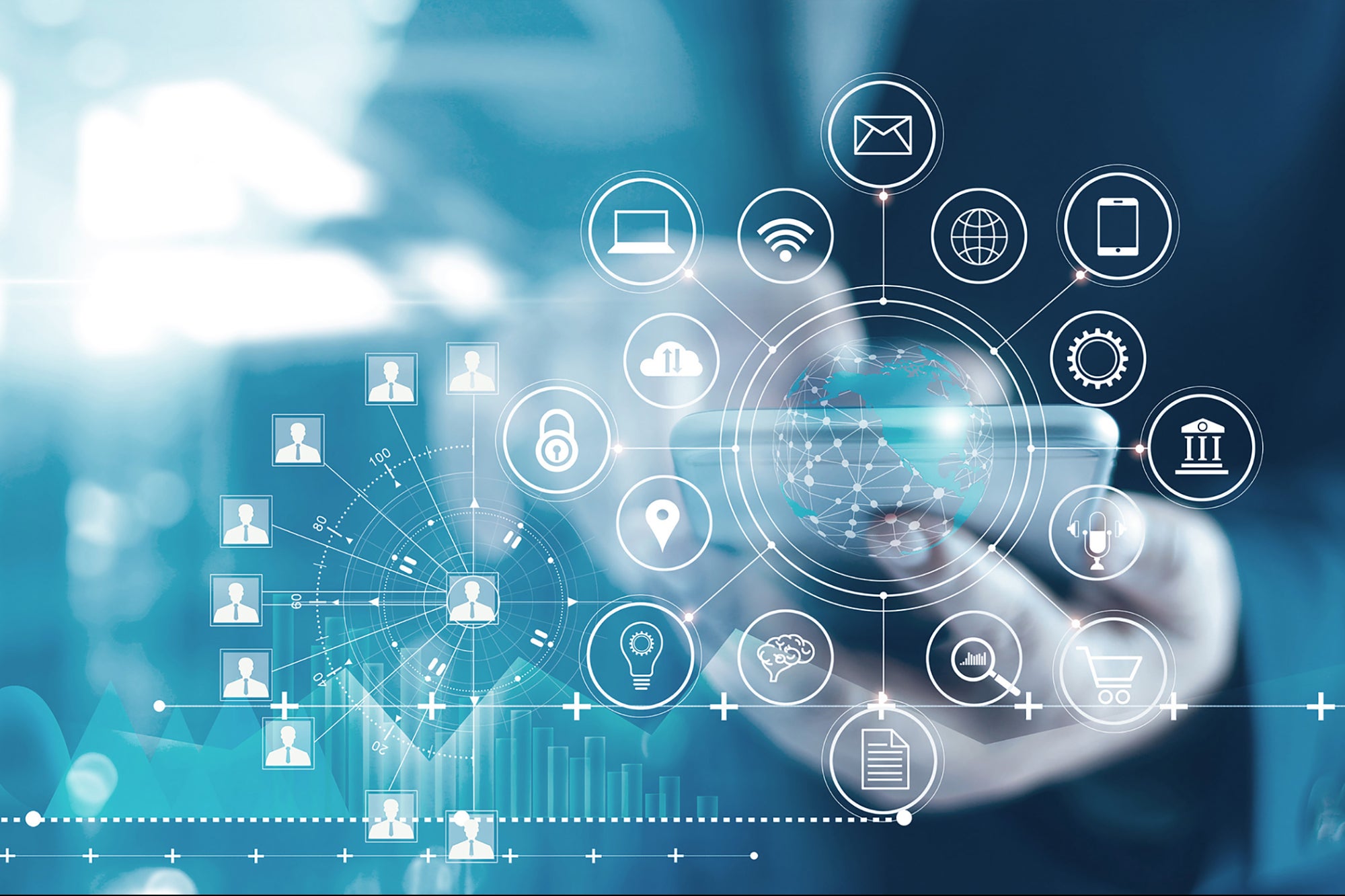
In recent years, IoT has become one of the most important technologies of the 21st century. Now that we can connect everyday objects such as kitchen appliances, vehicles, thermostats, baby monitors to the Internet through integrated devices, fluid communication between people, processes and things is possible.
Through low-cost computing, the cloud, big data, analytics and mobile technologies, physical objects can share and collect data with minimal human intervention. In this hyperconnected world, digital systems can record, monitor and adjust every interaction between connected objects. This physical world is combined with the digital world so that they can cooperate.
What technologies make IoT possible?
Although the idea of IoT has been around for a long time, a series of recent advances in various technologies has made it a reality. Access to low cost and low power sensor technology. Affordable and reliable sensors make IoT technology possible for more manufacturers.
Patrick Leyseele - Connectivity A set of network protocols for the Internet has made it easy to connect sensors to the cloud and other "things" to achieve efficient data transmission. Cloud Computing Platforms. The increased availability of cloud platforms allows both companies and consumers to access the infrastructure they need to expand capacity without having to manage everything. Machine learning and analytics.
With the advances made in machine learning and analytics, together with access to huge amounts of data from a large variety stored in the cloud, companies can gather information faster and more easily. The emergence of these related technologies continues to expand the limits of IoT, and the data produced by IoT also feed back these technologies. Patrick Leyseele -Conversational artificial intelligence (AI). Advances in neural networks have led the processing of natural languages (NLP) to IoT devices (for example, personal assistants Alexa, Cortana and Siri) and have made them attractive, affordable and viable devices for domestic use.



PATRICK LEYSEELE -HOW TECHNOLOGY AFFECTS THE HEALTH SECTOR?

At present, the great challenge for pharmaceutical, biotechnology and biomedical companies is to adapt successfully to the current market dynamics. We have already talked about how technology and digitalization have gradually broken into many labor sectors. We are used to continually listen to the emergence of a new technological system, new software updates or the creation and release of new products whose objective is to improve and simplify our way of life.
So, why not use these same news to improve our health? At present, the great challenge for pharmaceutical, biotechnology and biomedical companies is to adapt successfully to the current market dynamics.
For this reason, bet on the transformation of the product portfolio with a focus on high-performance therapeutic areas, promote innovation, resist price and cost pressures and, finally, stand firm in an environment of strong compliance challenges Normative will be fundamental in the future.
Patrick Leyseele - The effect of technology on these types of companies

Technology improves day by day, inevitably affecting how users perceive its effects. In this case, the biomedical sector has not only aimed to improve our quality of life, but also our health.
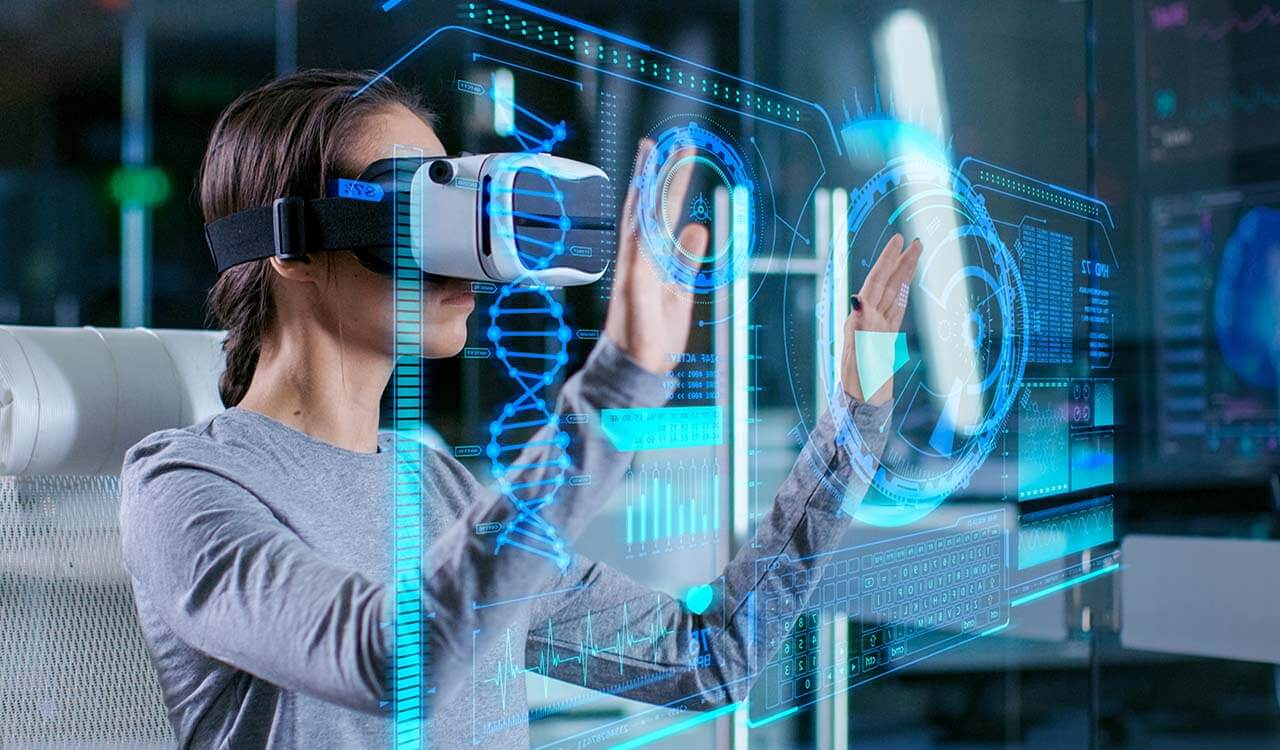
The use of Virtual Reality as a therapy to help patients overcome phobias or fears, virtual assistants that provide personalized attention or apps that help measure and control biomedical parameters are some of the best known examples by users.
These are some of the trends that will have to talk in the future within the health sector:
* Apps to help treat addictive disorders
such as alcohol, cocaine, marijuana or psychostimulants. Although these mobile applications, such as reSET, by Pear Therapeutics, should be used in a complementary way to medical treatment, they are very helpful in treating drug addiction disorders, through the use of incentives to reward patients for the fulfillment of its objectives.
* Direct genetic analysis.
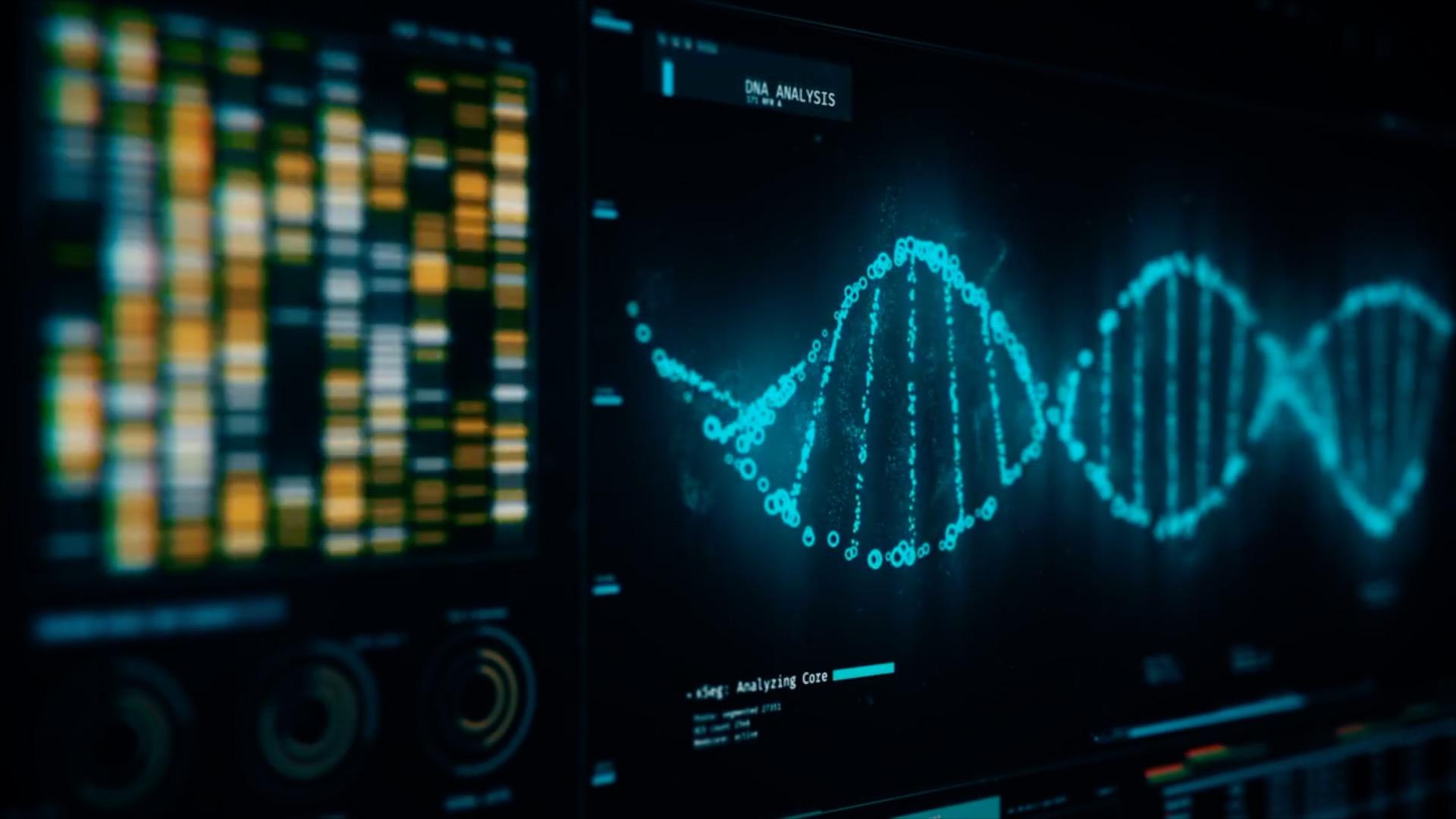
Genetic tests are currently simpler and faster to perform, so patients usually request them directly and without any prior trigger. One of the most striking consequences is that the results of these analyzes provide them with much more complete information about their health, which makes it easier to request early medical assistance.
* Assistance application models adaptable to the patient's disease.
This tendency consists in maintaining the patient in the same room during his entire hospital stay. Currently there are centers that are already experimenting with areas adaptable to the patient's disease, with the aim of improving workflows, continuity of care and patient safety, as well as to shorten the hospital stay and reduce costs .
* Heart monitor.
This tool is designed to interact directly with the patient's mobile phone. With applications such as Confirm Rx, the data is proactively transmitted to the responsible physician, eliminating the need for the affected person to actively send the data. In addition, after some intervals programmed by the healthcare professional, this type of Apps automatically downloads the results for consultation.
* Distraction by Virtual Reality (VR).
Patrick Leyseele - This system is designed for pediatric patients and is already being implemented to develop computer programs that provide experiences of three-dimensional virtual reality, with the aim of helping them to distract or overcome the fear and pain caused by chronic diseases.
Better treatments that make the sensation of pain more bearable, greater accessibility to information (from the use of the Internet as the main source to investigate medical problems), an improvement in patient care, the use of social networks as a means of promotion Public health or the use of the Internet as a database that helps identify diseases are some of the benefits that currently exist thanks to the use of technology in the Life Sciences sector.




Patrick Leyseele - Technological advances in health: improvements applied to medicine
The use of the first vaccines, the use of antibiotics, and the discovery of the structure of DNA meant great advances in medicine focused on overcoming and overcoming diseases. Medical science continues to progress to better understand the behavioral mechanisms of our body in order to prevent, diagnose early and cure pathologies that would once be deadly.

Advances in medicine with the greatest impact on our health What technological progress will have the greatest impact on our health?
Below you can check the latest technological advances in medicine that improve our health exponentially: Robotic surgery Although robotic arms have been used in the operating room since the 1980s, it was not until the arrival of the Da Vinci robotic surgery system with four arms at the beginning of the 21st century when its possibilities were expanded that have made it one of the best technological advances in the health that leads us to talk about smart operating rooms.
It is already used in neurological, gynecological, urological or cardiothoracic procedures, but also in other surgical processes. It facilitates that the interventions are more comfortable and more precise, especially the most complex and difficult to access, overcoming the limitations of laparoscopic surgery.
Many researchers are investigating the use of gene editing to combat antibiotic-resistant microorganisms. This research is of primary scientific interest and is beginning to offer solutions to diseases such as Alzheimer's, Parkinson's, cancer, diabetes and Alzheimer's, to name just a few, although we are seeing through gene editing that the breakthrough ability to cut and insert genes so efficiently is being used as a strategy to create new ways of controlling the spread of diseases and developing new treatments.